A complete guide to scratch-resistant cake stands: How to maintain and extend the life of wooden cake stands.

In everyday baking and dessert displays, many people overlook a detail—the surface protection of display tools. In fact, a scratched cake stand not only affects the overall aesthetics but can also compromise the stability of food arrangements and increase the difficulty of cleaning. Wooden cake stands, in particular, are more prone to developing scratches due to improper use and cleaning.
This article systematically explains how to prevent scratches on different materials, focusing on protection methods for wooden items, daily use details, and long-term maintenance tips. The content is designed to be practical, and you can directly follow the steps.

Why do cake stands get scratched so easily?
Many people consider scratches to be “normal wear and tear,” but in reality, most scratches are preventable. Common causes include:
- Cut the cake directly on the surface
- Rub repeatedly with a metal spatula or metal knife
- There is sand or hard particles on the table.
- Friction between stacked storage
- Dry rubbing produces hard debris.
- The wood surface lacks a protective oil layer
Cake stands made of different materials have varying degrees of scratch resistance, but wooden surfaces are the type that require the most active protection.
Why is wood more prone to scratches?
Wood is popular because it’s natural, warm, and textured, and it pairs beautifully with desserts. But wood itself has several characteristics:
- Limited surface hardness
- Uneven texture direction
- Susceptible to changes in humidity
- Surface protective layers rely on coatings or waxes.
Once the protective layer wears off, the wooden cake stand becomes more susceptible to scratches, water absorption, and staining.
I first started using a wooden cake stand. I used a metal cake spatula to cut the cake pieces, and after a few times, it left fine, thread-like scratches. Later, when I switched to a silicone spatula, the situation improved significantly.
Key methods for preventing scratches on wooden cake stands (important part)
Method 1: Always use parchment paper or cake liners.
This is the simplest and most effective method:
- Cake base paper
- Baking parchment paper
- Cuttable oil-proof pad
- thin silicone pad
Do not allow the bottom of the cake to directly touch the surface of the wooden cake stand, especially for desserts with a butter base or those decorated with sugar granules.
Method 2: Avoid direct cutting
No matter how thick the wooden cake stand is, it is not suitable for cutting cakes directly.
Correct approach:
- First transfer to the cutting board
- Or cut them first and then arrange them.
- Or use a single-piece movement with a base.
Many people cut directly for convenience, but this step is actually the biggest source of damage to wooden cake stands.
Method 3: The tool material should be “soft.”
contacting Cake Stand surfaces:
Preferred use:
- silicone spatula
- Nylon shovel
- Wooden-handled soft-edged shovel
Try to avoid:
- Stainless steel right-angle shovel
- Sharp-edged cake knife
- Metal tray sliding
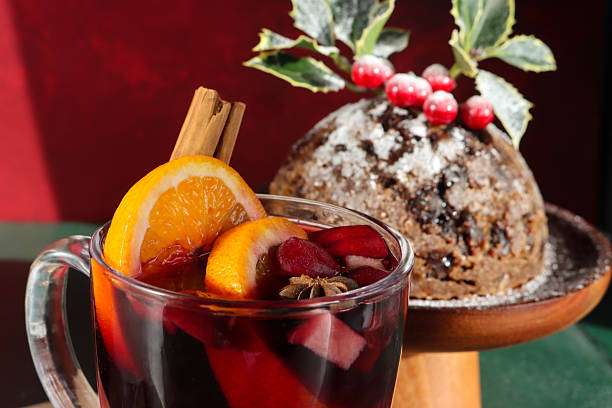
Method 4: Regular oiling for protection (very important)
Wooden cake stands, like wooden cutting boards, require maintenance.
Recommended use:
- Food-grade mineral oil
- Wood care oil
- Beeswax and wood wax oil
Frequency Recommendation:
- For the first two months after a new product launch: once every 2–3 weeks.
- After stabilization: once every 2-3 months
effect:
- Form a protective film
- Reduce friction damage
- Waterproof and seepage-proof
- Reduce the appearance of fine lines
This is a key step in extending the lifespan of a wooden cake stand.
Method 5: Clean along the grain of the wood.
During cleaning:
- Rub along the wood grain
- No need for rough cleaning cloths
- No steel wool
- No need for scouring powder
Recommended use:
- soft cloth
- sponge-soft surface
- microfiber cloth
Scratch protection recommendations for Cake Stands made of other materials
While this article focuses on wood, we’ll briefly supplement with other types:
Ceramic/Glass
- Avoid friction with hard metal objects
- Use soft padding to store in layers
- Unstacked bare surfaces
Metal
- Note the coated version.
- Prevent hard objects from hitting the edge
- Wrap in cloth when storing
Storage method also determines the probability of scratches.
Many cake stands are not broken from use but rather “ruined from being left unattended.”
Correct storage method:
- Store separately
- Add a cloth pad in the middle
- Do not store with tableware
- No stacking
I later specifically kept a cloth bag to store my frequently used cake stand, and to be honest, the scratches have been significantly reduced.
Detailed protection techniques for daily use
These details are small, but their effects are significant:
- Wipe the tabletop clean before placing it.
- Do not drag the Cake Stand on the rough surface
- Wipe with a cloth without grime.
- Do not rub repeatedly with dry, stiff paper towels
- Packaging should be shockproof during transportation.
Repairing minor scratches (applicable to wood)
If the wooden cake stand already has fine scratches:
Minor scratch treatment:
- step:
- Lightly sand with fine sandpaper
- Polishing along the grain
- Wipe away dust
- Oil seal
Many fine lines can be repaired, so there’s no need to discard the product immediately.
Once, at a friend’s gathering, I lent out my wooden cake stand. The other person cut cheesecake directly on it and even scraped it with a metal spatula. I was really upset when I got it back. After that, I started using a paper tray with each cake and would remind others not to cut directly on it. Since then, there haven’t been any noticeable scratches.
FAQ (Frequently Asked Questions)
Q1: Is it necessary to oil a wooden cake stand?
The recommendation is yes. Unoiled wood is more prone to cracking and scratches.
the Cake Stand in a dishwasher?
It’s absolutely not recommended for wooden cake stands, as it will damage the structure and protective layer.
Q3: Can I still use it if it has knife marks?
Minor knife marks can be used, but it is recommended to polish and oil it for maintenance.
Q4: Can multiple cake stands be stacked?
Yes, but they must be separated by a soft cloth or pad.
Q5: Will transparent pads affect the appearance?
Many oil-proof pads are now very thin, with minimal visual impact, but provide excellent protection.
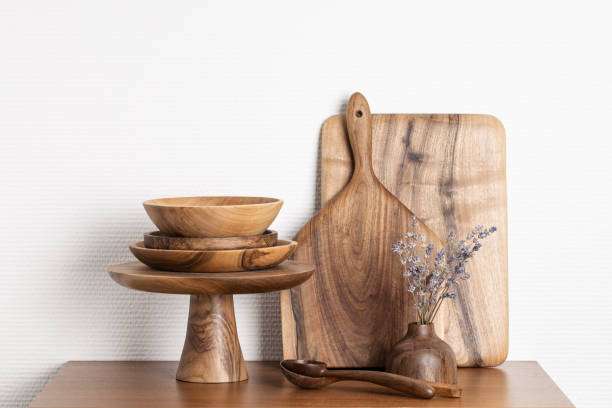
Conclusion:
A well-maintained cake stand not only enhances the presentation of desserts but also reflects the user’s attention to detail and professionalism. Wooden cake stands, in particular, can last for many years with proper care and will only become more refined over time.
If you’re choosing or already own a wooden cake stand, prepare a scratch-resistant protection plan for it now: padding paper + soft tools + regular oiling maintenance. For a more durable and easier-to-maintain cake stand, you can also start with professional-grade materials and surface treatments. Choosing the right product will ensure it lasts longer and provides greater peace of mind.