
Cake stands are indispensable tools in baking presentations. They not only provide stable support for cakes but also enhance the overall look and style. However, beginners often make basic but unfortunate mistakes when using a cake stand for the first time, resulting in unsatisfactory cake displays and even safety hazards. This article will analyze common mistakes made by beginners from multiple perspectives and provide practical suggestions to help you use a cake stand correctly and improve your cake presentation.
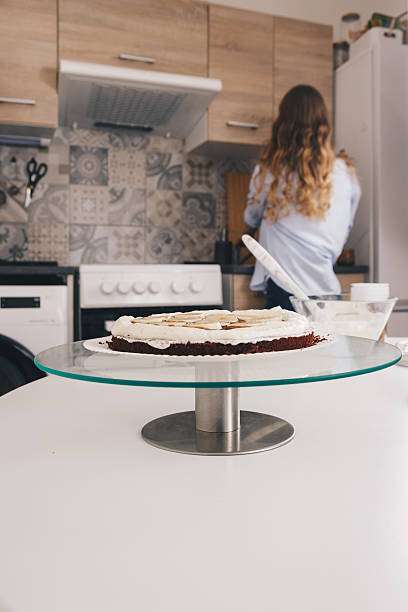
1. Choosing the wrong size
Choosing the right size is the first step in using a cake stand. Many beginners often overlook this point, either choosing a cake stand that is too large, making the cake look small and losing its focus, or choosing a cake stand that is too small, causing the cake to be unstable or even tilted.
How to avoid
Slightly larger than the cake: The ideal cake stand should be 1 to 2 inches larger in diameter than the cake, which will ensure the cake is stable without making it look like it’s being swallowed up on the stand.
For multi-layer cake stands, pay attention to decreasing dimensions: if using a multi-layer stand, the diameter of each layer should decrease progressively, which is both aesthetically pleasing and safe.
I once chose a stand that was too large for a family gathering, making the cake look small and unstable. I had to temporarily reinforce it with a non-slip mat to prevent the cake from tipping over.
2. Ignoring material selection
A cake stand directly affects its stability and safety. Beginners often only look at the appearance and ignore the material, leading to problems during use.
Common materials and characteristics
Glass: It is clear and beautiful but fragile and suitable for display in stable environments.
Stainless steel: Sturdy and durable, easy to clean, suitable for everyday use and large events.
Aluminum alloy: lightweight and durable, easy to move, and relatively affordable.
Wood: Natural and warm, but susceptible to moisture and requires regular maintenance.
How to avoid
Choose the material according to the intended use and occasion:
For family gatherings: wooden or aluminum alloy frames are natural and lightweight.
For weddings or formal occasions, glass or metal frames exude elegance.
For outdoor activities, it is recommended to choose sturdy, non-tipping materials such as metal or aluminum alloy.
3. Neglecting site and environmental factors
A cake stand not only needs to match the cake but also needs to consider the venue and environment. For example, in outdoor events, a lightweight but unstable stand might tip over due to wind. On formal occasions, a stand made of overly simple materials will appear less sophisticated.

How to avoid
For formal occasions: Choose metal or glass frames to enhance the sense of luxury.
For family or casual gatherings: opt for wood or minimalist designs for a warmer, more natural feel.
Outdoor use: Ensure the frame is stable; you can add anti-slip pads at the bottom to enhance stability.
4. Uneven placement
Not paying attention to balance when placing the cake is one of the most common mistakes beginners make. Even if the cake stand itself is of good quality, the cake can still easily tilt if the table is uneven.
How to avoid
Choose a stable desktop: Ensure the surface to be placed is flat and secure.
For multi-tiered cake racks, ensure adequate support between each layer to prevent instability.
Temporary reinforcement: On uneven surfaces, use a non-slip mat or soft cloth to adjust.
5. Neglecting cleaning and maintenance
If a cake stand is not cleaned promptly after use, it will retain icing, grease, and even dust, which is neither aesthetically pleasing nor hygienic.
How to avoid
Clean promptly: Clean with warm water and neutral detergent immediately after use.
Precautions for different materials: Wipe metal and glass with a soft cloth, and wax or apply protective oil to wooden frames regularly to prevent moisture and cracking.
Regular inspections: Ensure the shelves are free of cracks or looseness to prevent accidents.
FAQ
1. How to choose the right cake stand size?
The cake stand should be 1 to 2 inches larger in diameter than the cake to ensure stability and make the cake stand out more. For multi-tiered cakes, each tier should decrease in size for a more visually appealing result.
2. How should I choose the material for the cake stand?
Glass: Beautiful, fragile, and suitable for stable display.
Stainless steel: durable and sturdy, suitable for everyday use and large events.
Wood: Warm and natural, but requires maintenance.
Aluminum alloy: Lightweight and durable, suitable for mobile and outdoor use.
3. How to keep the cake stand clean?
Clean with warm water and a neutral detergent; avoid using metal brushes or strong acid cleaners. Wipe glass with a soft cloth; wooden shelves require regular maintenance and moisture protection.

In conclusion
A cake stand is a small item, but its proper selection and use can greatly enhance the presentation and overall ambiance of a cake. Avoiding common problems such as improper size, incorrect material selection, unbalanced placement, and neglect of cleaning can make the cake more stable and beautiful and also elevate the style of the occasion.
Looking for the perfect cake stand for your next party or celebration? Visit our online store and choose from a wide selection of cake stands!