Cake Stand Load Capacity Analysis: A Must-Read Guide for Home Baking

In home baking, the cake stand is not only a tool for displaying cakes but also directly affects their safety, preservation, and appearance. Many baking enthusiasts only discover an embarrassing problem after finishing their cakes: the cake stand cannot support the weight of the cake, and multiple layers of cake stands are wobbling or even causing the cake to collapse. This not only affects the appearance but also increases the cost of cleaning up and rearranging.
In my long experience baking at home, I’ve tried various cake stands: wood, metal, glass, and acrylic. Through continuous testing, I’ve found that the load-bearing capacity of the cake stand directly determines the smoothness of the home baking experience.
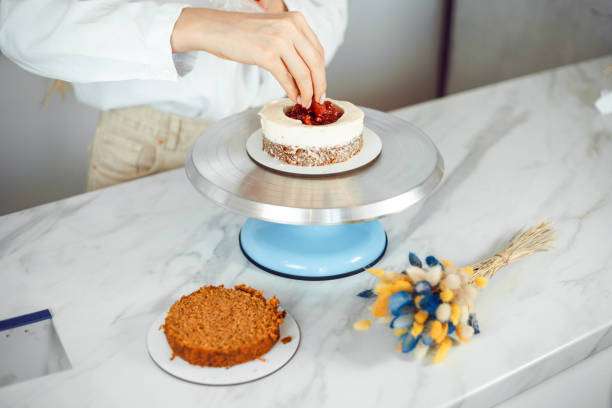
Load-bearing capacity test
Load-bearing capacity is one of the most crucial indicators for home baking. I once tested an 8-inch-thick butter cake and a tray of brownie cookies on cake stands made of different materials. The results showed that the material and structure directly affect load-bearing performance.
| Material type | Load capacity | Applicable cake types | Advantages and disadvantages |
| wood | 3–7 kg | Small to medium-sized cakes | High stability, but requires regular maintenance. |
| Metal | 5–12 kg | Medium to large cakes | Strong load-bearing capacity and durable, but may rust. |
| Glass | 2–5 kg | Mini cakes, desserts | It is translucent and aesthetically pleasing but fragile. |
| Acrylic | 3–6 kg | Mini cakes and displays | Lightweight and durable, but easily scratched. |
I was able to keep wooden and metal cake stands stable even when I placed four layers of naked cake on them, while glass and acrylic cake stands tend to wobble slightly.
Weight-bearing considerations in home baking settings
Home baking differs from professional kitchen baking: space is limited, cleaning time is limited, and tools must be multifunctional. An insufficiently weight-bearing cake stand often becomes a burden during baking.
1. Everyday Baking
Small cream cakes or brownies: 3–5 kg; wood or acrylic is sufficient.
My personal experience: When making banana pound cake, I use wooden slices, which are both sturdy and easy to clean.
2. Festivals or parties
Multi-layer load-bearing capacity becomes crucial.
We recommend choosing multi-tiered shelves made of metal or engineered wood.
Experience sharing: Once during Thanksgiving, I placed a three-tiered cream cake on an acrylic cake stand. A slight wobbling made me immediately switch to a metal one, which prevented an accident.
3. Wedding Scene
Wedding cakes are usually large and have many layers, so the weight-bearing capacity must be carefully considered.
The key is to test the load-bearing capacity and stability to prevent the cake from tilting or collapsing.
The influence of material on load-bearing capacity
1. Load-bearing capacity of wood
Advantages: Beautiful natural texture, stable load-bearing capacity, suitable for medium-sized cakes.
Disadvantages: Requires regular maintenance to prevent cracking.
My experience: Using a wooden cake stand to hold a 4-layer buttercream cake, it remained stable and didn’t wobble for weeks.
2. Metal load-bearing test
Advantages: High load-bearing capacity, durable
Disadvantages: Requires moisture and rust prevention.
My experience: The metal frame can easily support cakes weighing over 10 kg, making it perfect for large family gatherings.
3. Glass load-bearing limit
Advantages: Visually appealing, excellent light transmission
Disadvantages: Low load-bearing capacity, fragile
My experience: Glass cake stands are suitable for displaying small desserts, but not for multi-tiered cakes.
4. Acrylic load-bearing safety
Advantages: Lightweight and drop-resistant
Disadvantages: Easily scratched, poor long-term load-bearing capacity.
Recommendation: For short-term displays or small cakes
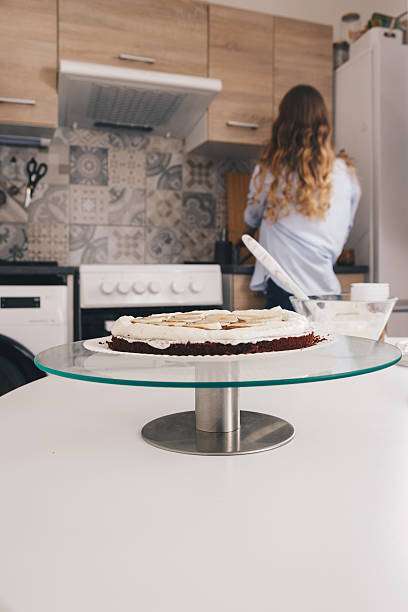
Multi-layer Cake Stand Support Structure Techniques
Common causes of instability in multi-story load-bearing structures:
Poor quality or insecure installation of interlayer support rods
The base diameter is too small, making the center of gravity unstable.
The material itself has limited load-bearing capacity.
Solution:
a cake stand with a stable base and reasonable interlayer support.
Avoid exceeding the material’s nominal load-bearing capacity.
Actual load testing confirms stability
Use anti-slip pads or silicone spacers to improve stability.
My experience: When testing multi-layer cake stands, place a test object of the same weight on each layer beforehand to ensure actual load-bearing stability before placing the cream cake on top. This avoids shaking and tilting.
Daily use and cleaning recommendations
Wood: Clean with warm water and a soft cloth, avoid prolonged soaking, and apply cooking oil every 2-3 months.
Metal: Keep dry; a rust inhibitor can be used.
Glass: Wash gently; avoid sudden temperature changes.
Acrylic: Avoid abrasive cleaners; clean with a soft cloth.
I once soaked my wooden cake stand for too long, and the edges started to crack slightly. Since then, I’ve strictly followed the cleaning recommendations, and it’s remained sturdy for years.
FAQ: Common Issues Regarding Cake Stand Load Capacity
Q1: How heavy can the cake stand be?
A: Wooden and metal cake stands can support 5-12 kg, suitable for medium to large cakes. For multi-layer cake stands, please refer to the interlayer support for the weight capacity.
Q2: Can acrylic be used to build multi-layer cakes?
A: It can be used in the short term, but its load-bearing capacity and stability are poor, making it unsuitable for large multi-layer cakes.
Q3: What should I do if the multi-layer structure shakes?
A: Check if the base is stable and if the support rods are installed correctly. If necessary, add anti-slip pads to the bottom of each layer.
Q4: Which material is the most stable for frequent use in home baking?
A: Wooden and metal cake stands are the most suitable for frequent use, balancing aesthetics and load-bearing capacity. Glass and acrylic are suitable for displaying lightweight cakes.
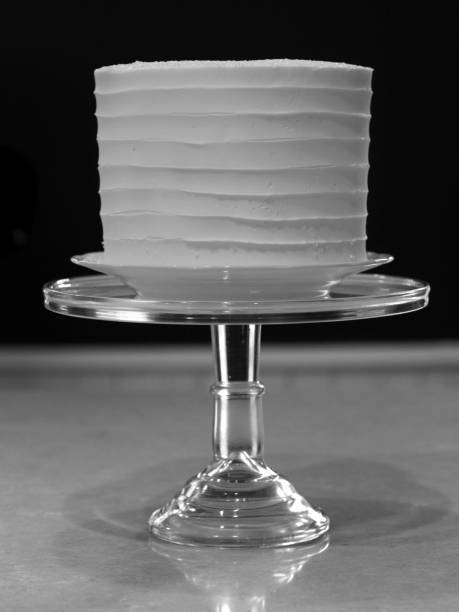
Summary and Purchase Recommendations
When choosing a cake stand, the core principles are load-bearing capacity, stability, and material durability.
Occasional baking: A small wooden or acrylic cake stand will suffice.
For regular home baking, prioritize metal or reinforced wood racks.
Holiday/Wedding Cakes: Always test the weight-bearing capacity of multiple layers to ensure safety.
Since using a high-load-bearing wooden cake stand, my home baking efficiency has improved significantly. Cleaning and cutting have become much easier, and it has also allowed me to maintain my baking habit.
Want to make home baking easier and safer?
Check out our recommended high-load-bearing cake stands for a stable and long-term baking experience.