Cake Stand Safety Tips: A Comprehensive Guide to Preventing Tipping and Accidents

Whether it’s a family gathering, a birthday party, or a wedding celebration, the cake is always the star of the show. A cake stand is an essential prop for making the cake stand tall and adding to its beauty. However, the safety of using a cake stand is often overlooked—improper installation or insufficient stability can not only cause the cake to tip over but also potentially lead to accidental injury.
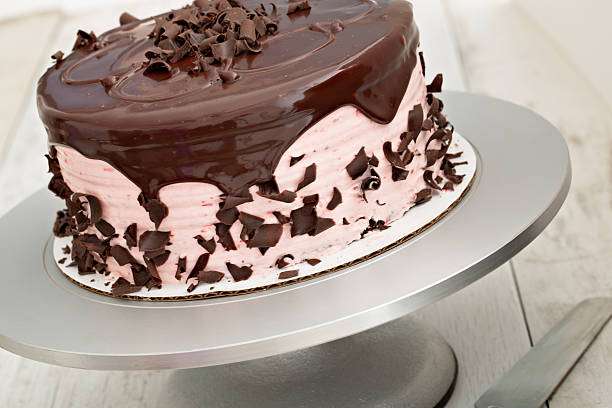
The importance of stability
A cake stand is paramount to ensuring safety. Cake stands are made from a variety of materials, including glass, wood, acrylic, and metal, and the stability and load-bearing capacity of different materials vary significantly.
I remember once preparing a three-tiered birthday cake for a friend, using a lightweight acrylic stand. Because the support rods weren’t securely fastened during installation, the cake wobbled slightly during transport, almost causing the entire stand to tip over. Luckily, it was caught in time; otherwise, the beautiful three-tiered cake would have become a disaster. This experience made me realize that a stable installation is more important than the aesthetics of the cake stand.
Tip: When choosing, prioritize designs with a non-slip base or adjustable support rods. These types of stands are usually more stable and suitable for home and event use.
How to prevent tipping
1. Choose a suitable load-bearing capacity.
The cake stand is crucial to preventing it from tipping over. Generally speaking:
A single layer is suitable for cakes that can support a weight of 1-3 kg.
The double-layer design is suitable for bearing a weight of 3-5 kg.
For cake stands with three or more tiers, a load-bearing capacity of 5 kg or more is required, especially for wedding or celebration cakes; a high load-bearing design must be chosen.
I once tried using a regular acrylic stand to display a four-tiered birthday cake, but the bottom layer sank slightly due to insufficient weight, causing the entire cake to tilt. Later, I switched to a three-tiered with metal supports, and the problem was completely solved.
2. Ensure a stable placement surface.
No matter how sturdy a cake stand is, it can still tip over if it’s placed on an uneven surface. Always choose a flat tabletop or countertop when using a cake stand. Avoid placing it on uneven, soft, or slippery surfaces, such as if the tablecloth is too thick or prone to sliding. In such cases, add a non-slip mat to the bottom or secure it with a support frame.
Tip: I often put a silicone anti-slip mat under my table at home. This not only makes the cake stand more stable but also reduces the risk of slipping during transport.
3. Proper installation and securing
Multi-tiered cake stands typically require the assembly of support rods or screws. Before each use, ensure all parts are in place and securely tightened. Note the following points during installation:
The base must be stable, and the support rods must be fully tightened.
Each cake tray should be placed horizontally.
When carrying, support the bottom and middle support with both hands, and avoid lifting with one hand.
At a wedding, the first time I moved a three-tiered cake, I used only one hand, and the cake tilted slightly. Later, I switched to supporting the bottom with both hands and using a middle support rod, which made the whole process much safer and avoided an embarrassing accident.

4. Avoid overloading or uneven placement.
Many people enjoy displaying decorated cakes, chocolates, or small desserts on cake stands, but it’s crucial to control the total weight and ensure balance.
Excessive weight on one side can easily cause it to tip over. This is especially true for glass or wooden ones, which have limited load-bearing capacity and are prone to breakage or tilting if overloaded.
5. Safety measures for special circumstances
Outdoor activities: When it is windy, the cake stand may tip over. You can choose a cake stand with a locking mechanism or an additional non-slip base.
Children’s parties: Children are curious and prone to bumping into things, so it is recommended to place the cake stand out of children’s reach.
Transporting cakes: It is best to secure them with cake boxes or special trays when moving them and then place them on a stable vehicle platform.
Safety recommendations for different materials
| Material | Stability | Usage Tips |
| Glass | Tall, but fragile | Avoid impacts; support the bottom with both hands when carrying. |
| wood | medium | Take care to prevent moisture and heavy loads; suitable for lightweight cakes. |
| Acrylic | Medium to light | Not suitable for multi-tiered cakes; ensure even placement. |
| Metal | high | Strong load-bearing capacity, suitable for multi-layer cakes, but be careful to prevent slipping. |
Personally, I most often use metal eggs and high-load-bearing glass. They are both aesthetically pleasing and safe and reliable.
Cake Stand Safety Tips Summary
Confirm the load-bearing capacity and do not overload.
Choose a stable surface for placement; a non-slip mat can be used.
Make sure to tighten the support rods and parts when installing them.
Avoid making the cake or decorations too heavy on one side.
Additional protective measures should be implemented in special settings, such as outdoors or at children’s gatherings.
FAQ: Cake Stand Safety FAQs
Q1: Can
Can the Cake Stand be moved after it is installed? A1: It is recommended not to move it after the cake is placed. If it must be moved, support the bottom with both hands and the middle rod to ensure stability.
Q2: What types of cakes are suitable for multi-tiered cakes?
A2: Multi-tiered cakes are suitable for light- to medium-weight cakes, such as butter cakes and sponge cakes. For heavy cakes (such as fruitcakes), a high-load-bearing metal rack is recommended.
Q3: Will the glass
Cake stand break? A3: The glass stand is sturdy but fragile. Be careful when moving and cleaning it to avoid impacts or sudden stress.
Q4:A cake stand outdoors?
A4: If it is windy or the ground is uneven, use a non-slip mat or a reinforced base, and try to avoid placing it in densely populated areas.
Q5: Can cakes be stored on a cake stand for a long time?
A5: It is not recommended to store cakes in a cake stand for a long time. Cake stands are mainly for display and short-term storage to prevent cakes from becoming soggy or spoiling.
As a baking enthusiast, I often host small parties at home. Initially, I didn’t pay much attention to the safety of my cake stand, and several times the cakes tipped over due to careless handling. Later, I summarized the safety experience mentioned above, paying particular attention to load-bearing capacity, stability, and secure installation. Now, whether it’s a single-layer or multi-layer cake stand, I can use it easily and safely without worrying about accidents anymore.
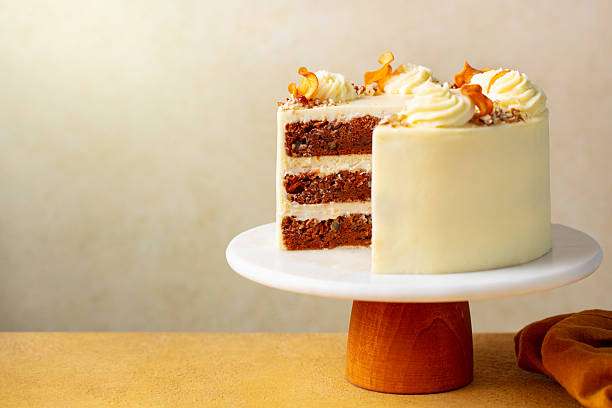
Summarize:
Want your cakes to be both beautiful and safe? Choosing a high-load-bearing, sturdy cake stand is key! Whether it’s for a family gathering, a wedding celebration, or as a gift or for personal enjoyment, a safe and reliable cake stand will make your cake the center of attention.
Cake Stand for you, and make deliciousness and safety go hand in hand!