Wooden Cake Stands Get Moldy or Cracked? Real-World Experience and Tips for Avoiding Common Problems.
When choosing a cake stand, many people are attracted by the warm and natural appearance of wood. Compared to metal or glass, wood has a more lived-in feel, adding a touch of warmth to dining tables, dessert tables, or photo backdrops. However, many people also have concerns: Will a wooden cake stand mold? Will it crack after use? Is it really worth buying?
If you also have these concerns, this article may help you clarify the issues all at once.
Are Wooden Cake Stands Really Prone to Mold?
To sum it up: whether or not it will mold depends not on “whether it is wood,” but on “how it is used, how it is selected, and how it is maintained.”
1. Wood Itself Is Not a “Sin.”
Wooden cake stands are typically made not of ordinary wood, but of the following relatively stable types of wood:
- Rubberwood
- Beech wood
- Maple
- Bamboo-wood composite material
These woods undergo proper drying during processing, with their moisture content controlled within a reasonable range, making them less prone to mold.
What truly causes mold growth is often the usage habits adopted later on.
2. The Common Causes of Mold Growth Are Actually Quite Common in Daily Life.
Based on actual user feedback, mold growth on wooden cake stands typically occurs in the following ways:
- After washing, it wasn’t dried and was placed directly in a poorly ventilated area.
- Prolonged exposure to humid environments (such as near sinks or in steamy kitchens).
- Serving high-humidity foods directly (such as whipped cream cakes without parchment paper).
- The surface has no protective layer, and the wood is directly exposed.
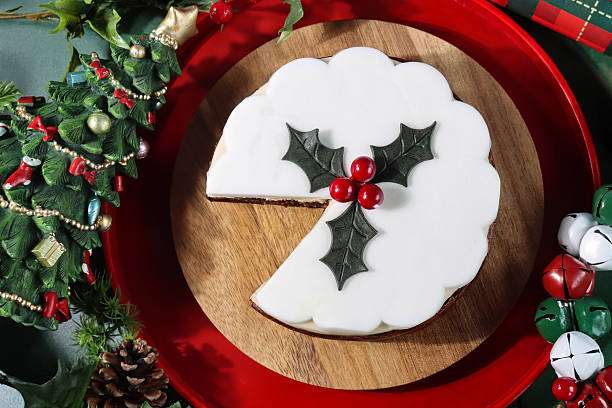
I first used a wooden cake stand. I made a classic mistake: after washing it, I just casually left it to dry on the kitchen counter. As a result, after the rainy season, some small black spots appeared on the bottom edge. Fortunately, I dealt with it in time and restored it after wiping it with white vinegar. But it also made me realize that wooden cake stands really need to be “taken seriously.”
Why Do Wooden Cake Stands Crack?
Compared to mold, cracking is more distressing, since cracks can affect the appearance and even the structure of a building.
1. The Essence of Cracking: Wood Is “Breathing”
Wood is a natural material that shrinks or expands with changes in humidity and temperature.
The risk of cracking increases significantly when the following conditions occur:
- The environment is too dry (due to prolonged exposure to direct air conditioning or heating).
- Frequent hot and cold water alternation (rinsing with hot water immediately after washing, then placing the shower in a cool air vent).
- The wood splicing technique is substandard.
- Uneven thickness or insufficient drying of logs
2. Cheap Wooden Cake Stands Are More Prone to Cracking.
Many people are unwilling to admit this, but it does exist.
Cake stands with significantly lower prices often have the following characteristics:
- Use scraps to piece together
- Incomplete drying cycle
- The surface is only simply spray-painted, without any penetrating protection.
The problem may not be immediately apparent, but fine cracks will begin to appear after six months to a year, especially at the base or joints.
How Can You Tell If a Wooden Cake Stand Is “Durable”?
If you’ve already decided to choose a wooden cake stand, you can start by paying attention to these details to avoid most pitfalls.
1. Examine the Surface Treatment Method.
Preferred choice:
- Food-grade wood wax oil
- Plant oil penetrating coating
- Matte but not rough surface
Avoid choosing:
- Thick paint, highly reflective
- The surface has a distinctly pungent odor.
A good cake stand will feel smooth but not slippery to the touch.
2. Look at the Structure, Not Just the Appearance.
- Is a single-column structure stable?
- Is the connection between the base and the tray reinforced?
- Are the edges beveled?
Many cracking problems actually stem from hidden dangers in the structural design stage.
3. Read the User Manual (Many People Overlook This Step).
Reliable cake stand products will usually clearly state:
- Is handwashing recommended?
- Is it safe to handle food with high humidity?
- Daily maintenance methods
Be wary of things that have nothing written on them.
Proper Use and Maintenance of Wooden Cake Stands
With the right methods, a wooden cake stand can have a very long lifespan.
Daily Usage Suggestions
- Place the bottom of the cake on parchment paper or a cake mat.
- Avoid placing whipped cream or fruit cake directly on the cake for an extended period of time.
- Clean it on the same day after use.
Cleaning Methods
- Warm water + neutral detergent
- Simply wipe with a damp cloth; do not soak for extended periods.
- Dry immediately after washing, then let it air dry naturally.
Simple Maintenance Tips
- Apply a thin layer of food-grade wood wax oil every 3–6 months.
- When not in use for an extended period, wrap it in a cloth and store it in a dry place.
My wooden cake stand at home has been in great condition for over three years, largely because I don’t use it carelessly or roughly.
Is the Wooden Cake Stand Worth Buying?
A cake stand is an excellent choice if you meet the following criteria:
- I like natural and warm home decor styles.
- I often make desserts for photography and table settings.
- Willing to spend more time on basic maintenance
But if you:
- Often, to save time, I just leave the clothes lying around after washing them.
- The kitchen is damp for a long time
- Hoping for a completely “maintenance-free” solution.
A stainless steel or ceramic cake stand might be more suitable for you.
FAQ:
Q1: Is wooden flooring suitable for storing refrigerated cakes?
It is not recommended to place them directly after taking them out of the refrigerator. It is best to use a cake mat and minimize the contact time.
Q2: Can wooden cake stands be washed in a dishwasher?
No, high temperatures and prolonged washing will significantly increase the risk of cracking.
Q3: Can I still use it if there are slight cracks on the surface?
If it is just a fine surface crack that does not affect the structure, you can continue to use it and strengthen its maintenance.
Q4: Can mold be salvaged?
In the early stages, you can gently wipe it with white vinegar or baking soda. If it is severely moldy, it is not recommended to continue contacting food.
Q5: Is a wooden cake stand safe? Will it have an odor?
If you choose a food-grade coating and purchase from a legitimate source, there are generally no safety issues.

Summarize:
If you’re looking for a stylish, photogenic, and durable cake stand, a wooden cake stand is still worth considering.
With the right material and proper application, it’s no more delicate than other materials.
Why not start with a reliable and well-defined cake stand to make your dessert presentation more ceremonial?
Related Posts
Cake stand? Don’t rush to replace it; first check these possible causes.
-
Posted by
Cake Stand
Multi-Layer Cakes for Cake Stands: The Overlooked “Solid-Load Test”
-
Posted by