Want to cut the perfect cake? The cake stand is more crucial than you think.
The most exciting moment after baking a cake is undoubtedly cutting it open and seeing the distinct layers and neat cut. However, anyone who has actually made a cake a few times knows that while cutting a cake neatly seems simple, it actually hides many secrets of the cake stand.
I remember the first time I made a birthday cake, I spent two hours frosting and trimming, but when I cut it, the cut was uneven, and the layers looked like crumpled paper. It was then that I realized I had seriously underestimated the importance of the cake stand, in addition to skill.
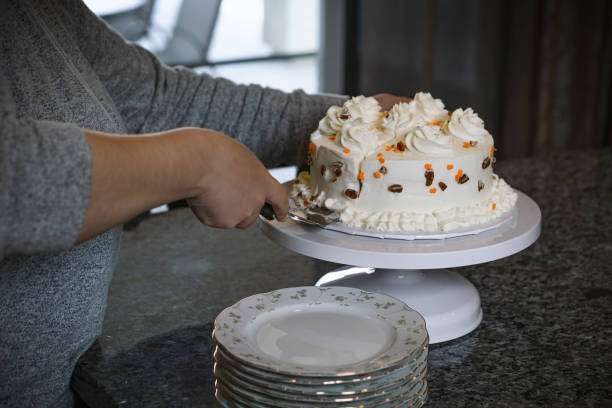
A Cake Stand: stability and height.
Before cutting the cake, the first thing to consider is whether the platform on which the cake is placed is stable. A good cake stand offers two key advantages:
- Stable
Cakes are prone to wobbling when cut, especially tall cakes or layer cakes. If the base is unstable, each cut will result in tilting or breaking. Using a cake stand ensures the cake remains almost still during cutting, which was a key reason why I successfully cut my first cake. - A properly sized
A cake stand typically elevates the cake slightly, providing a comfortable working height. Whether slicing horizontally or cutting smoothly along the filling, the right height allows for more natural hand movements and reduces angular deviations.
The first time I used a cake stand to cut a cake, I found that I hardly needed to adjust the angle of my wrist, and each cut was almost vertical. This intuitive ease is something that is hard to achieve on a regular table.
Does the cake stand affect the neatness of the cut surface?
A neat slice of cake depends not only on the knife but also on the support of the base. The cake stand affects the neatness of the slice mainly in the following aspects:
1. To prevent the cake from shaking.
Whether it’s a sponge cake or a chiffon cake, the soft texture of the cake makes it easy to be squeezed when cutting. Without stable support, the knife will cause the entire cake to tilt as it cuts along the cake, resulting in misalignment between the layers.
2. Keep the cake level.
Many cakes appear flat at first glance, but when you cut into them, you find that the internal layers are not level. The flat base provided by the cake stand can help you correct the cake’s level before cutting, which is especially important for multi-layered cakes.
3. Offers convenient rotation (some Cake Stands come with a turntable)
Some cake stands have a slight rotating function, which, combined with knife work, allows for a smooth cut of the entire cake, especially round cakes. While rotating, the cake remains stationary, and your hand simply slides along the cutting path, resulting in a clean, natural cut.
Saved me from cutting cakes so many times
I remember the first time I made a three-tiered chocolate cake for a friend, I didn’t use a cake stand. When I cut it, the cake wobbled, the cream layers squeezed out, and the final cut looked like crumpled paper. I almost gave up, but the second time I baked, I bought one with a turntable.
When cutting that cake, I simply rotated it slowly, the knife gliding along the edge of the cream, ensuring perfect alignment between layers. My friend’s surprised expression when they saw the cut surface solidified my belief that a cake stand would be essential for every cake I made from now on.
Through this experience, I learned a little trick: before cutting the cake, gently rotate the cake stand to check for levelness. If the cake is tilted, you can slightly adjust the support at the bottom, and the cut will be almost perfect.
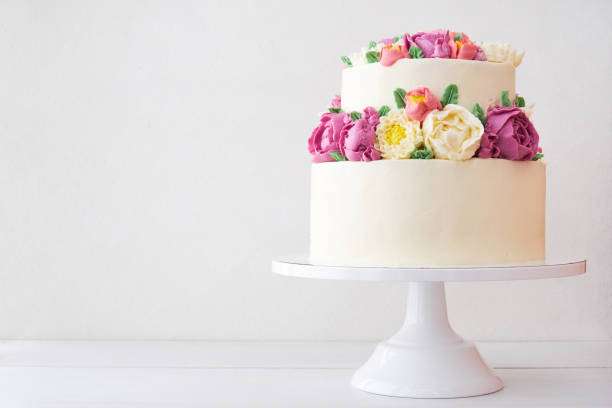
Several key points to consider when making a selection
- Sturdy materials
are commonly used, including metals, stainless steel, and high-strength plastics. Choosing a sturdy and durable material can reduce cake wobble when cutting. - The load-bearing capacity
, especially for multi-tiered cakes, directly affects the neatness of the cut surface. Insufficient load-bearing capacity can cause the cake stand to sink, resulting in an uneven cut surface. - A flat base is essential. Even slight curvature or unevenness in
The cake stand’s base can affect the smoothness of the cuts. It is recommended to choose a cake stand with a flat base or one that has a leveling function. - Rotatable function (optional):
For round cakes, the slight rotation function can greatly improve the neatness of the cut surface, which is especially suitable for making multi-layer or sandwich cakes.
Useful tips for cutting a cake
Besides the cake stand itself, the following points can also help you cut a perfect slice:
- Temperature control: Chilled cream cakes are easier to cut and prevent them from collapsing.
- Knife selection: Use a long knife or serrated knife to cut along a straight line to reduce the amount of cake being compressed.
- Score before cutting: Lightly score the surface of the cake first, and cutting along the scored lines will be more precise.
- Knife cleaning: Clean the butter off the knife after each cut to ensure a clean cut next time.
In conjunction with a cake stand, these tips can help achieve near-professional-quality cuts.
FAQ
Q1: Can
Can cake stands and cake turntables be used interchangeably? Some turntables can be used for cutting cakes, but they are not as stable as dedicated ones. Display stands may wobble when cutting cakes.
Q2: Can I cut a cake without a stand?
Theoretically, yes, but it requires more skill and a stable work surface. A cake stand significantly reduces the error rate, especially for multi-tiered or layered cakes.
Q3: Can a cake stand only be used to cut round cakes?
No, it can also be used to cut rectangular cakes. The key is to make it stable and flat to ensure a neat cut.
Q4: What size is appropriate?
The size should be slightly larger than the diameter of the cake to ensure sufficient workspace; it should not be too small.
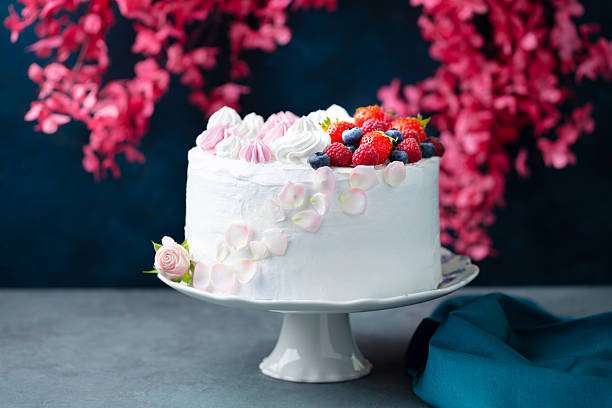
Summarize:
To ensure every cut is neat and perfect, first choose the right cake stand, then combine that with cutting techniques. Whether you’re baking at home or making cakes for a small party, this is key to avoiding common pitfalls.
cake stand for you, making cutting cakes a breeze!
Related Posts
A cake stand and a cake turntable: Don’t buy the wrong first baking tool!
-
Posted by
Cake Stand
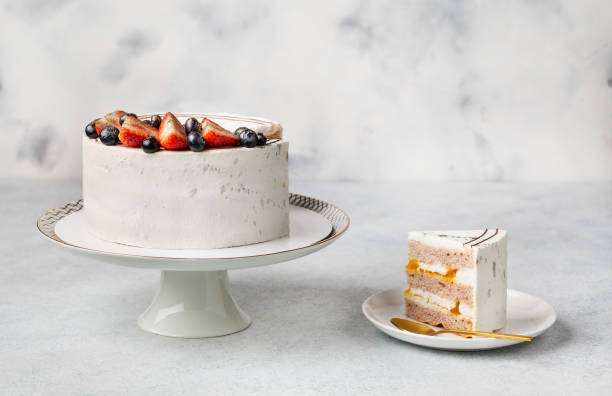
Cake stand? Don’t rush to replace it; first check these possible causes.
-
Posted by
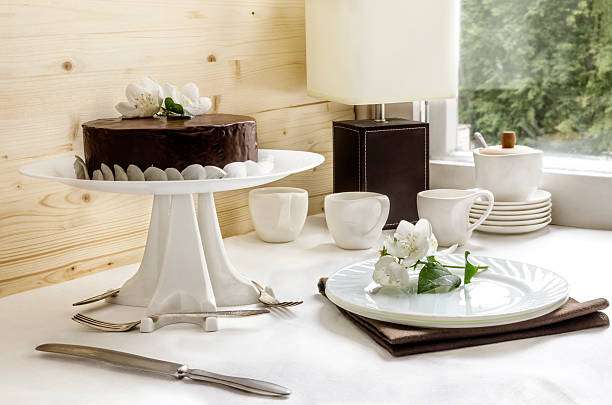
Does the cake stand base matter? How to choose one that is both stable and aesthetically pleasing?
-
Posted by
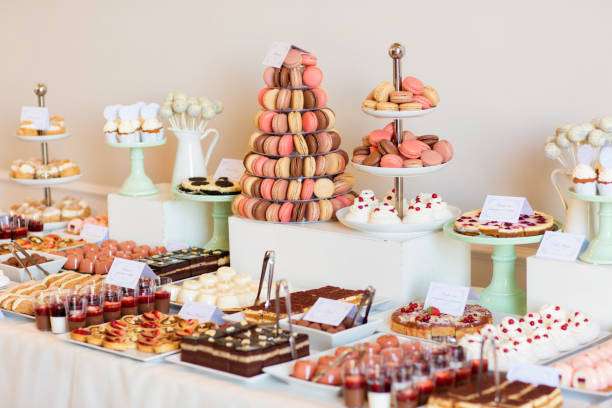
Is your cake stand necessary? A deep dive into the topic, giving you peace of mind when making your purchase.
-
Posted by
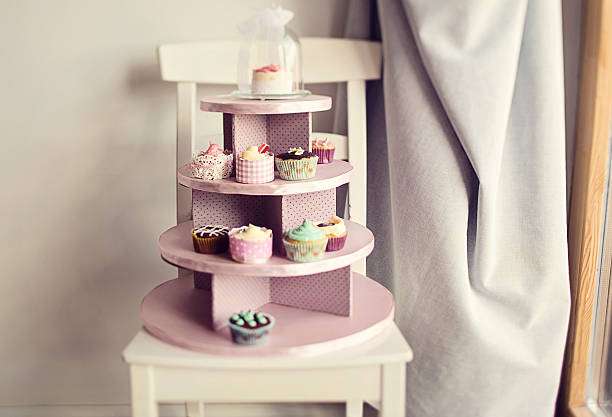
Can a cake stand be unstable if it’s too high? Many people overlook the potential dangers associated with height
-
Posted by