Can a cake stand be unstable if it’s too high? Many people overlook the potential dangers associated with height
In the baking world, many people’s first reaction when buying a cake stand is, “How good does it look?#8221; Is it tall enough? Can it make a good impression?
is possibly,But after using it for a while, you’ll find that a seriously underestimated problem is quietly emerging—if the cake stand is too tall, will it be unstable? The answer is: possibly, and it’s more common than you think.
Why do “tall” cake stands, which look high-end, actually harbor hidden risks?
Visually, a taller cake stand does have a greater presence, often serving as the “visual center” at dessert tables, parties, weddings, or markets.
However, the problem is that visual stability ≠ physical stability.
The center of gravity is raised overall.
Cakes are not lightweight, especially:
- Multi-layer cake
- Thick cream, lots of decorations
- Fondant or cakes that are heavier after refrigeration
cake standAs the height of the Cake Stand increases, its center of gravity shifts upward, making it more prone to losing balance when subjected to external forces (minor collisions, uneven surfaces).
Insufficient base proportions are the most common cause of failure.
“elegant.”Many tall cake stands are designed with small and thin bases in order to appear “slender” and “elegant”.
But the reality is:
The greater the height, the more important the base area becomes.
If the chassis diameter is disproportionate to its height, even the most beautiful chassis will only “look stable.”
I first became aware of this problem at a family gathering.
Let me share a true story.
For a family birthday once, I specially chose a tall metal cake stand. It looked really good in the photo and stood out prominently in the center of the dining table.
Before cutting the cake, my cousin simply pulled the tablecloth aside slightly.
The whole cake wobbled.
realized itIt was only then that I realized: it wasn’t that the cake wasn’t placed properly, but rather that the height, center of gravity, and base design itself had inherent flaws.
cake standFortunately, it didn’t actually collapse, but that feeling of unease completely changed my criteria when choosing a Cake Stand afterward.
A cake stand that is “too high and unstable” is usually related to these 5 factors.
Not all tall cake stands are unstable; the key lies in whether the following details are overlooked.
① Is the diameter of the base sufficient?
A simple way to determine this:
The diameter of the base should be at least close to or larger than the diameter of the tray.
If you see a large top and a small bottom, be wary.
② Is the material heavy enough to withstand the weight?
- Thin ironwork
- hollow structure
- Overly pursuing lightweight
These factors all amplify the instability caused by height.
Relatively speaking:
- solid metal
- Thick ceramic
- A wooden base with its own weight
It has an advantage in high-leg designs.
③ Is the central support pillar stable enough?
cake standsSome Cake Stands may appear to be “one piece,” but they are actually multi-segment structures pieced together.
If at the intermediate connection point:
- thin
- Threaded
- Removable but not secure
Once the height increases, the swaying sensation will become very noticeable.
④ Is the desktop absolutely flat?
This point is often overlooked.
In a home setting:
- tablecloth
- Anti-slip mat
- The wooden table was slightly warped.
cake standAll of these factors make a “tall” Cake Stand more prone to becoming unbalanced.
⑤ Is the cake itself “off-center of gravity”?
For example:
- Single-sided decoration
- The nameplates and ornaments are concentrated on one side.
- Asymmetrical piping
At higher altitudes, these details are magnified.
Is it true that “the shorter, the safer”? Not entirely.
After realizing the risks of instability, many people go to the other extreme: only buying the shorter models.
height butBut in reality, the key to a truly safe cake stand is not its height, but its structural balance.
A reasonable height usually meets these conditions:
- The height is in harmony with the proportions of the base.
- Weight distribution at the bottom
- The pallet is thick enough
- There was no noticeable shaking after the cake was placed on top.
If all these conditions are met, even if the power is slightly higher, it can still be used stably.
In which usage scenarios are “high instability” issues more likely to be exposed?
cake stand:The following scenarios require higher stability from the Cake Stand:
- Children or pets are walking around.
- Cake needs to be cut frequently
- Outdoor or market use
- Smaller or foldable desktop
- Multiple people sharing desserts around a table
In these situations, a design that is “too high” can actually increase psychological burden.
Three practical tips for choosing a Cake Stand
This is what I summarized later, and it’s more useful than parameters.
Let go and test
If you gently push the edge and it bounces back noticeably and continues to wobble, it indicates insufficient stability.
Empty shelf + physical product testing
Don’t just look at the empty shelf; place a cake model or heavy object of similar weight on it before making a judgment.
body.”Focus on the “lower body” rather than the “upper body”.
A common mistake beginners make is focusing only on the size of the tray while ignoring the base.
Remember this:
The real determinant of stability lies below, not above.
FAQ:
Q1: Are tall cake stands always unsafe?
A: No. As long as the base, weight, and structural design are reasonable, tall cake stands can be very stable.
Q2: What kind of cake stand do you recommend for home use?
A: Generally, a medium height is more user-friendly, providing a sense of depth and peace of mind.
Q3: Are multi-tiered cakes suitable for tall cake stands?
A: Be very careful. Multi-tiered cakes are more suitable for styles with a low center of gravity and a large base.
Q4: What should I do if I accidentally buy a cake stand that is too tall?
A: Avoid placing heavy cakes on it, use a non-slip mat, and try to use it on a flat surface.
Q5: Is it normal for a cake to wobble when you cut it?
A: Slight wobbling is acceptable, but if it wobbles significantly, it indicates a mismatch in structure or height.
Summarize:
A good cake stand is not just about “looking good in photos” but about giving you peace of mind when arranging, cutting, and sharing your cake.
If you’re choosing a new cake stand, don’t just look at the height and appearance; pay attention to the base, weight, and overall proportions.
Taking the time to choose the right structure is more worthwhile than worrying about its stability afterward.
If you’re still hesitant, consider starting with models that have high stability ratings and a proven track record, and then gradually upgrade.
Related Posts
Cake stand? Don’t rush to replace it; first check these possible causes.
-
Posted by
Cake Stand
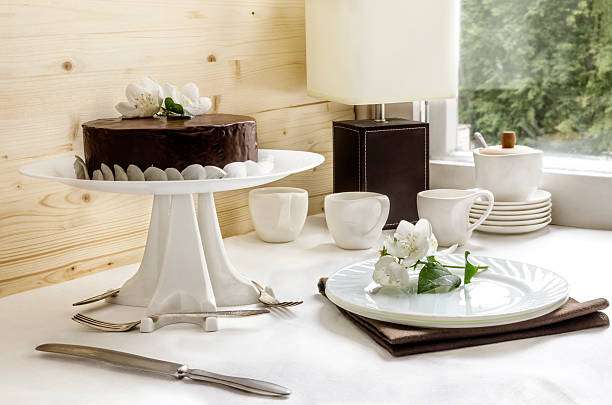
Does the cake stand base matter? How to choose one that is both stable and aesthetically pleasing?
-
Posted by
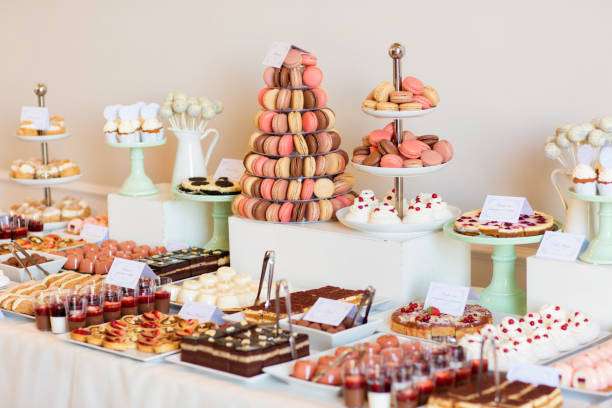
Is your cake stand necessary? A deep dive into the topic, giving you peace of mind when making your purchase.
-
Posted by
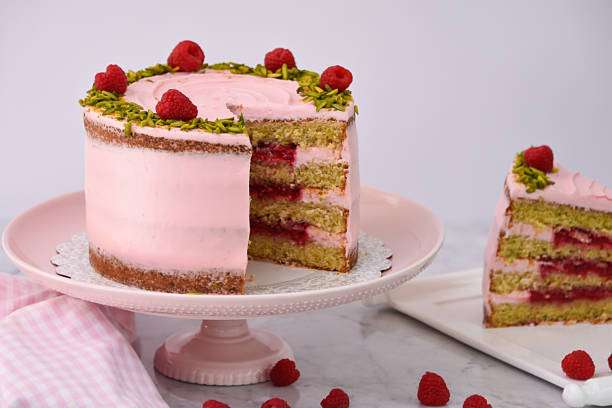
Want to cut the perfect cake? The cake stand is more crucial than you think.
-
Posted by