Does the cake stand base matter? How to choose one that is both stable and aesthetically pleasing?
When I first made a multi-tiered cake at home, I had no idea that a seemingly insignificant detail—the size of the cake stand—could have such a significant impact on the cake’s stability and overall presentation.
That time, I bought a three-tiered cake stand with a base that was too small, and the cake wobbled slightly as soon as I placed it on it; I was afraid to even take my hand off it. After repeated attempts, I gradually understood that the size of the base is far more important than I had imagined.
Today I’ll discuss in detail why the size of the cake stand base is important, how to determine the appropriate size, and precautions for its use.
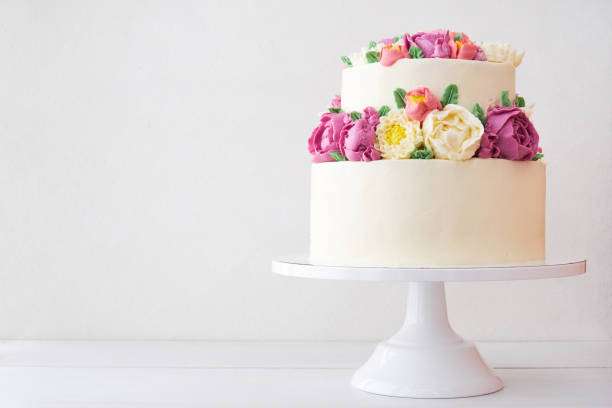
Why does the size of the base affect stability?
The base is the foundation of the cake stand. A small base, seemingly inconspicuous, directly determines the weight distribution and anti-shake capability of the entire stand.
1. The supporting area determines stability.
cake stand base, the wider the contact area with the table, and the more evenly the weight is distributed. This is especially important for multi-tiered cakes, where the weight is concentrated on the top layer.
If the base area is too small, it can easily create an unbalanced “top-heavy” feeling. The first time I made a three-tiered chiffon cake, the base was only half the diameter of the largest tier, and the cake wobbled with the slightest touch. That’s when I realized that no matter how good the ingredients are, a base that’s too small will make it difficult to stabilize the entire cake.
2. Center of gravity distribution and number of layers
The more layers a cake has, the higher its center of gravity becomes. If the base isn’t large enough, the cake stand will “sway like a skyscraper,” posing a greater risk, especially when moving or cutting the cake.
Tips:
- For a single-layer cake, the base diameter can be slightly smaller, but it is recommended to cover at least 80% of the cake base.
- For two- or three-tiered cakes, the base should be at least 2–3 centimeters larger than the bottom cake to ensure overall stability.
3. Material and thickness are also relevant.
The size of the base depends not only on its diameter but also on its material. If the base is made of plastic or lightweight acrylic, it may wobble even if the cake is not heavy if it is small.
If the base is made of metal or wood, it can support weight even if it is slightly small if it is thick and stable enough, but it is still not as safe as a large base.
How to determine if a Cake Stand base is suitable
When choosing a cake stand, you can consider the following aspects to determine if the stand is suitable:
1. The diameter should match the size of the cake.
A straightforward method is to make the base larger than or equal to the diameter of the cake pan.
- Small cakes (6–8 inches): A base of 18–20 cm is sufficient
- Medium cake (8–10 inches): Base 22–25 cm
- Multi-tiered cakes (10 inches and above): Base 25–30 cm or even larger
This size not only ensures stability but also makes it easy to move and cut.
2. Check the contact area.
Some cake stand bases may have a sufficient diameter, but the number of legs is small and the spacing is large, resulting in a limited actual contact area, which can affect stability.
Experience sharing:
I used to buy a three-tier cake stand. The base diameter looked large enough, but the three metal legs were too close together, and it would wobble if you touched it even slightly when serving the cake. Later, I switched to a stand with a more reasonable base and leg layout, which made it much more stable.
3. Weight and material combination
- Wooden or metal cake stands have a sturdy chassis, low center of gravity, and greater stability.
- Plastic or lightweight acrylic, preferably with a larger base or with an anti-slip mat to increase friction.
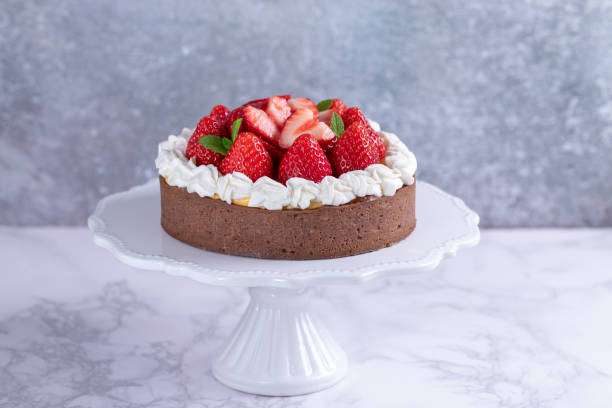
Tips for using Cake Stand bases
Even if the base is large enough, you can further enhance its stability with a few tricks:
1. Anti-slip mat or silicone mat
Placing a thin silicone pad between the base and the tabletop increases friction and prevents wobbling. This is my go-to method at home; it keeps even a lightweight cake stand stable.
2. Pay attention to the handling method.
When moving a multi-tiered cake stand, it’s best to support the base rather than squeezing the middle bar to reduce the risk of wobbling.
3. Adjusting the center of gravity
- Heavier cakes or decorations are placed on the lower tier.
- The upper layer should be as lightweight as possible.
- Gently rotate the object to check its balance when placing it.
These operations maximize the advantages of the base size.
When should the base be replaced if it is too small?
Replace the cake stand with one that has a larger base if any of the following situations occur:
- It also sways noticeably when empty.
- The multi-tiered cake tilted as soon as it was placed on top.
- Insufficient chassis load-bearing capacity, prone to deformation.
- It wobbles if the tabletop is slightly uneven.
Replacing the cake stand with a larger one not only ensures safety but also allows for a more perfect cake display.
FAQ:
Q1: Is a bigger base always better?
Not necessarily. A base that’s too big might be inconvenient to move or store; you need to balance space and stability. Generally, choosing a base that’s 2-3 centimeters larger than the cake pan is sufficient.
Q2: The base is small, but the material is very stable. Is it safe to use?
Yes, but the risk is higher than with a larger base, especially for multi-tiered cakes. Adding a nonslip mat can alleviate some of the problems.
Q3: Are anti-slip mats and silicone mats really effective?
Very effective, especially for lightweight cake stands or those with slightly smaller bases, which can significantly reduce wobbling.
Q4: How to move a multi-tiered cake?
Support the base while moving it, avoiding gripping the middle handle. It’s safer to have two people moving it if necessary.
Q5: Is the thickness of the base important?
Yes, it is very important. A thick base can lower the center of gravity and improve stability.
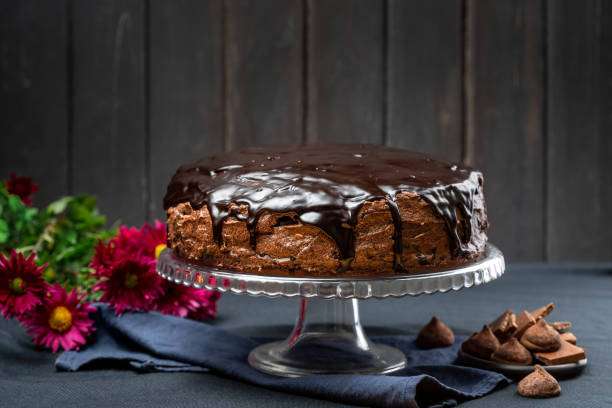
Summarize:
After experiencing a minor incident where the cake stand “wobbled slightly,” I now have a completely new understanding of base size: a stable base is not only safe but also gives you more peace of mind when displaying and cutting.
Before making a cake next time, you might want to check your cake stand base first. A stable base makes plating easier every time!
Related Posts

The cake stand on the feet of piping is greater than you might imagine.
-
Posted by
Cake Stand
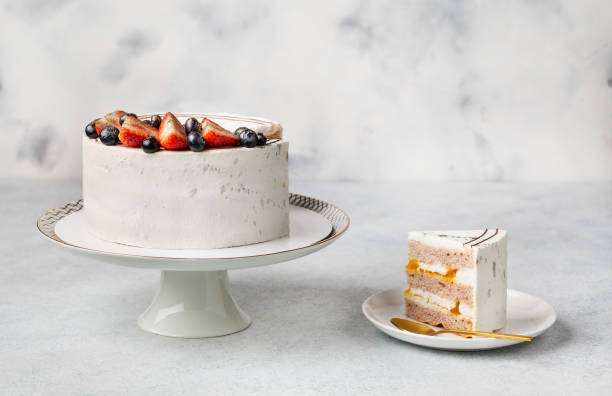
Cake stand? Don’t rush to replace it; first check these possible causes.
-
Posted by
Is your cake stand necessary? A deep dive into the topic, giving you peace of mind when making your purchase.
-
Posted by
Can a cake stand be unstable if it’s too high? Many people overlook the potential dangers associated with height
-
Posted by
Want to cut the perfect cake? The cake stand is more crucial than you think.
-
Posted by